

What Shipowners and Charterers Should Check Before Appointing an Agent

Choosing the Right Shipping Agency in Bangladesh
A shipping agent is much more than a company that prepares a Port Disbursement Account (PDA). A professional shipping agent represents the interests of the principal throughout the vessel’s port call—from pre-arrival formalities and port clearance to berthing, cargo operations, crew requirements, husbandry services, customs coordination, and final departure.
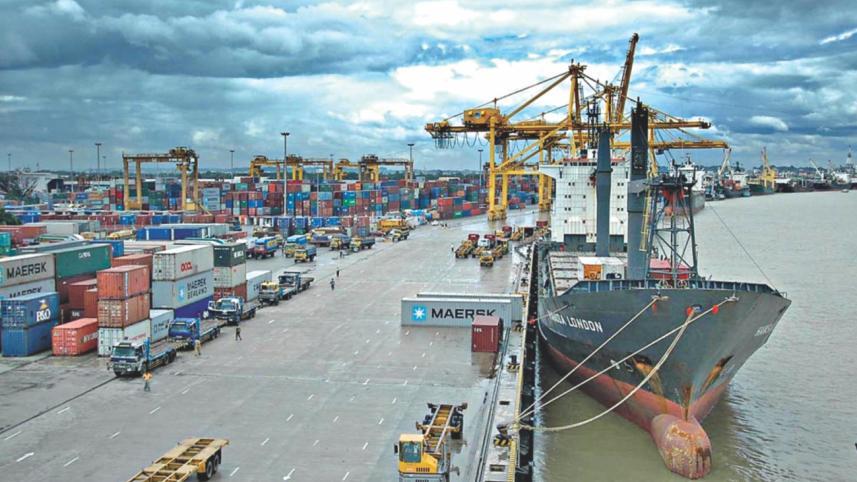
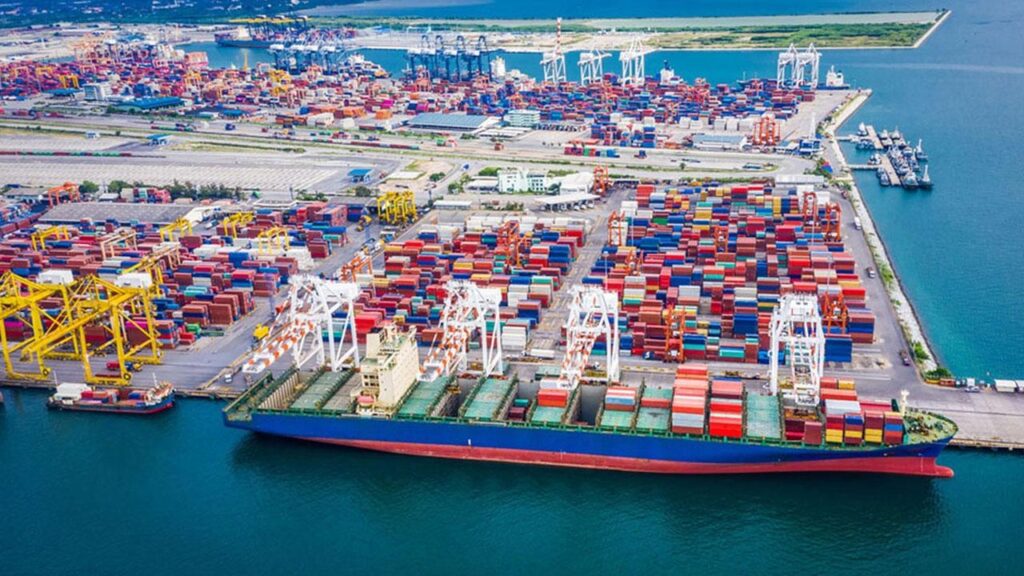
Bangladesh’s major commercial ports, including Chattogram, Mongla, and Payra, involve multiple authorities, operational procedures, service providers, and costs. Choosing an agent based only on the lowest PDA can therefore create significant operational and financial risks.
The cheapest quotation is not always the cheapest port call.
What Should You Check Before Hiring a Shipping Agent in Bangladesh?
Before appointing a shipping agency, shipowners and charterers should conduct basic due diligence. A professional and transparent agent should be able to demonstrate its legal standing, operational capability, experience, and pricing structure.
Here are the key factors to consider.
1. Verify the Agent's Licenses and Legal Documentation
Before appointing an agency, verify that the company is properly established and authorized to provide the services it offers.
Depending on the scope of services, this may include:
- Valid trade and company documentation
- Relevant port permissions and registrations
- Customs/C&F licensing where applicable
- Tax and statutory documentation
- Relevant marine and shipping-related authorizations
- Membership or affiliation with appropriate maritime organizations
- Office and operational contact information
Customs and C&F activities in Bangladesh are subject to specific licensing requirements under the Customs (Agents) Licensing Rules, 2009. Important credentials should be independently verified with the relevant authority whenever possible.
Why it matters
A legitimate shipping agency should be able to clearly demonstrate its legal identity, authorization, and operational presence.
2. Check Whether the Agency Has a Professional Website
In today’s maritime industry, a professional website is more than a marketing tool. It can provide an initial way to understand who you are dealing with and what services the company actually provides.
A professional shipping agency website should clearly identify:
- Company name and legal identity
- Physical office address
- Telephone and official email addresses
- Management or operational team
- Ports of operation
- Shipping agency services
- Husbandry services
- Crew services
- Cargo-related services
- Company history and experience
- Relevant certifications or memberships
- Client or vessel experience, where appropriate
Be cautious if an organization has no verifiable corporate presence, relies only on personal email addresses, or cannot provide basic company information.
3. Never Choose an Agent Based Only on the Lowest PDA
This is one of the most important considerations when selecting a shipping agent.
When requesting quotations, principals may receive several PDAs from different agencies. One quotation may appear significantly cheaper than the others.
But instead of asking:
“Who has the lowest PDA?”
ask:
“Who has provided the most realistic, transparent and complete estimate of the vessel’s actual port-call cost?”
A PDA should be evaluated against the expected scope of work, applicable port tariffs, vessel particulars, cargo operations, requested services, and potential additional expenses.
4. Beware of Unrealistically Low PDAs
An unusually low PDA can sometimes create a false sense of savings.
If a quotation does not clearly identify all expected costs, the eventual Final Disbursement Account (FDA) may be substantially higher than the original PDA.
Potential expenses can include:
- Port and authority charges
- Launch or boat services
- Pilotage and tug-related expenses
- Documentation
- Cargo-related requirements
- Crew services
- Transportation
- Husbandry requirements
- Customs-related services
- Overtime or special services
- Additional operational requirements
- Unexpected but legitimate port-call expenses
Some costs may genuinely be outside the agent’s control. That is why transparency is critical.
The real danger is not simply a higher cost—it is an unrealistic initial estimate that gives the principal a misleading impression of the total cost.
5. Understand PDA vs. FDA

PDA — Proforma Disbursement Account
The PDA is the estimated cost of the vessel’s port call, prepared before or around the vessel’s arrival.
FDA — Final Disbursement Account
The FDA reflects the actual expenditure after completion of the vessel’s port call, subject to supporting documentation and applicable adjustments.
A responsible agent should clearly explain:
- What is included?
- What is excluded?
- Which charges are estimated?
- Which charges are based on official tariffs?
- Which costs may vary?
- What additional charges could potentially arise?
This transparency protects both the principal and the agent.
6. Ask for a Detailed Cost Breakdown
Before appointing an agent, ask for a properly itemized PDA rather than accepting a single total figure.
A professional quotation should make it possible to understand the major cost components.
Ask the agent to distinguish between:
- Official port charges
- Agency fees
- Government/statutory charges
- Husbandry expenses
- Cargo-related expenses
- Crew-related expenses
- Transportation
- Launch services
- Pilotage/tug-related costs
- Miscellaneous expenses
- Estimated versus confirmed charges
Also ask:
“Are there any expected costs that are not included in this PDA?”
This simple question can prevent significant misunderstandings later.
7. Check Experience at the Specific Port
Experience matters—but relevant local experience matters more.
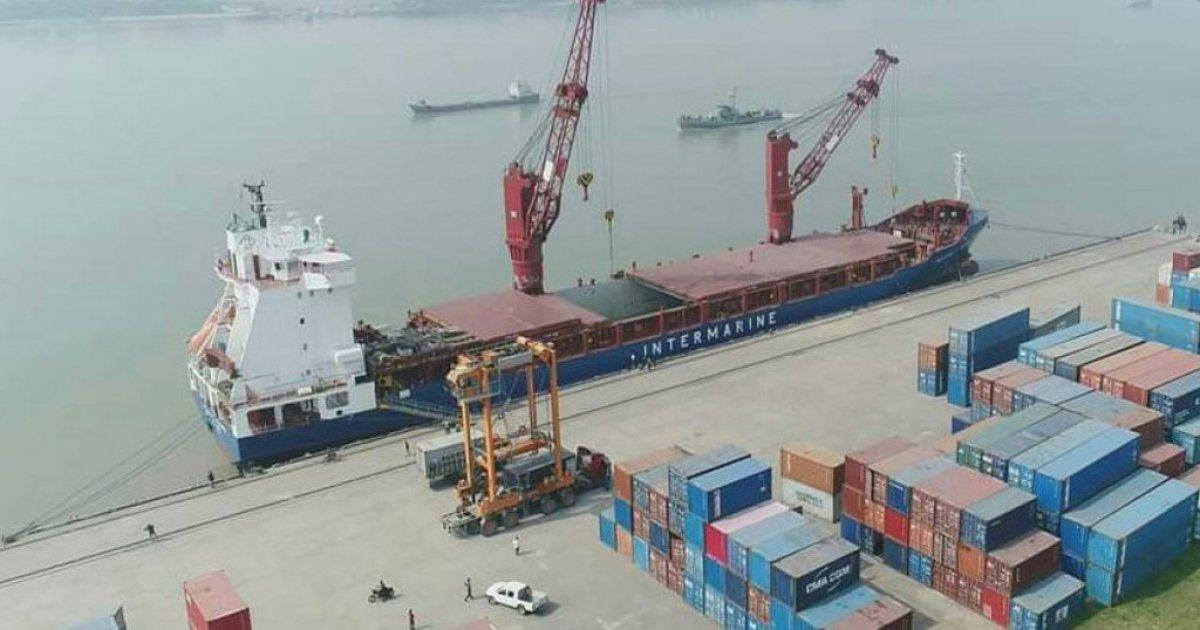
An agency may have extensive experience at one port but limited operational capability at another.
If your vessel is calling at Chattogram, ask about the agency’s Chattogram experience.
For Mongla, verify its actual operational capability there.
For Payra, confirm the agency’s local operational network and experience.
Ask:
- How many vessels do you handle?
- What types of vessels do you handle?
- Do you handle bulk carriers?
- Tankers?
- General cargo?
- Project cargo?
- Container vessels?
- Heavy-lift vessels?
- Do you provide 24/7 port operations?
- Who will be responsible for our vessel?
An experienced local team can make a significant difference when unexpected operational issues arise.
8. Make Sure 24/7 Operational Support Is Available
Vessels do not operate according to a conventional 9-to-5 schedule.
Arrival times change.
Berths change.
Cargo operations continue overnight.
Crew requirements can arise unexpectedly.
Documents may require urgent processing.
A serious shipping agency should therefore have an operational structure capable of responding outside normal office hours.
You should have access to:
- 24/7 emergency contact
- Port operations contact
- Operations manager
- Duty officer
- Escalation contact
A reliable agent should be reachable when the vessel needs assistance—not only during office hours.
9. Check the Agency's Port & Regulatory Network

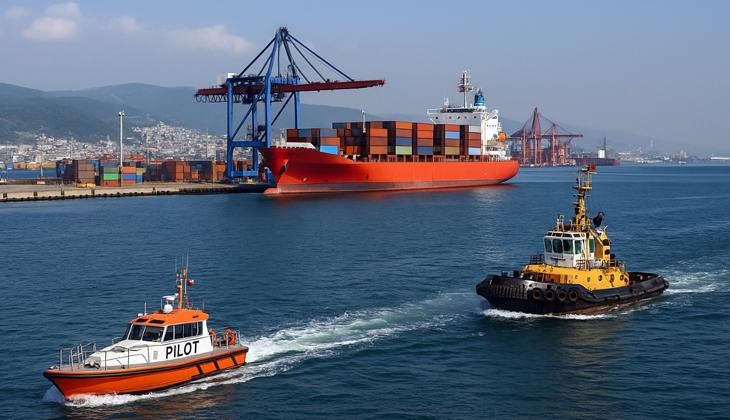
During a vessel’s port call, a shipping agent may coordinate with numerous stakeholders, including:
- Port authorities
- Customs
- Immigration
- Quarantine/health authorities
- Terminal operators
- Pilots
- Tug operators
- Stevedores
- Surveyors
- Ship chandlers
- Bunker suppliers
- Transport providers
- Other marine service providers
The agency’s ability to coordinate efficiently with these stakeholders can directly affect the vessel’s turnaround time.
10. Ask for References and Previous Experience
Before appointing an unfamiliar agency, ask for references and examples of comparable operations.
A useful question is:
“Can you provide examples of similar vessels or operations you have handled?”
Look for experience relevant to your specific requirements.
For example, if you operate a bulk carrier carrying project cargo, experience with container vessels alone may not be enough.
Relevant experience is more valuable than a generic claim of being “experienced.”
11. Transparency Should Matter More Than a Cheap Quotation
A credible shipping agent should be willing to explain its quotation.
If you ask:
“Why is your PDA higher than another agent?”
the answer should be based on actual operational requirements, applicable tariffs, service scope, and transparent calculations.
Likewise, if one agency’s PDA is dramatically lower than the market range, ask:
“Please explain what is included and excluded.”
Price comparison is important.
But transparency is more important.
A reliable agent should help the principal understand the cost—not simply win the appointment with the lowest number.
12. What Makes a Credible Shipping Agency?
A credible shipping agency should demonstrate five key qualities:
1. Legal Compliance
Valid licenses, registrations, permissions and documentation.
2. Operational Experience
Experienced personnel who understand local port procedures.
3. Transparency
Clear quotations, proper documentation and honest communication regarding costs.
4. Responsiveness
24/7 operational support when required.
5. Accountability
The ability to take responsibility for coordination and communicate problems before they become major issues.
These qualities are far more important than simply offering the lowest PDA.
Choosing a Reliable Shipping Agency in Bangladesh
For shipowners, charterers, operators and international principals, selecting a shipping agency should be treated as a risk-management decision, not simply a price comparison.
Before making an appointment, verify:
✓ Credentials
✓ Website and corporate identity
✓ Office presence
✓ Port experience
✓ Operational team
✓ References
✓ Service scope
✓ PDA structure
✓ Cost inclusions and exclusions
✓ 24/7 support
Most importantly, compare like-for-like quotations.
A realistic PDA with transparent inclusions and exclusions is often far more valuable than an artificially low quotation that later results in unexpected expenses.
Why Choose ASCO Shipping Lines?
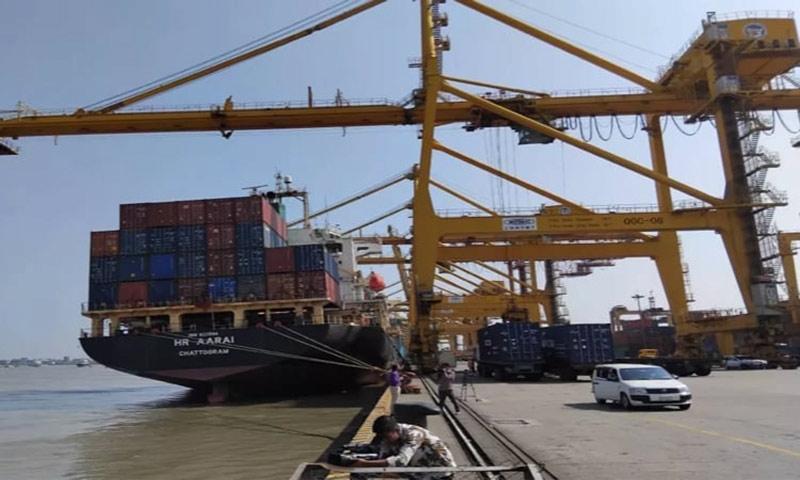
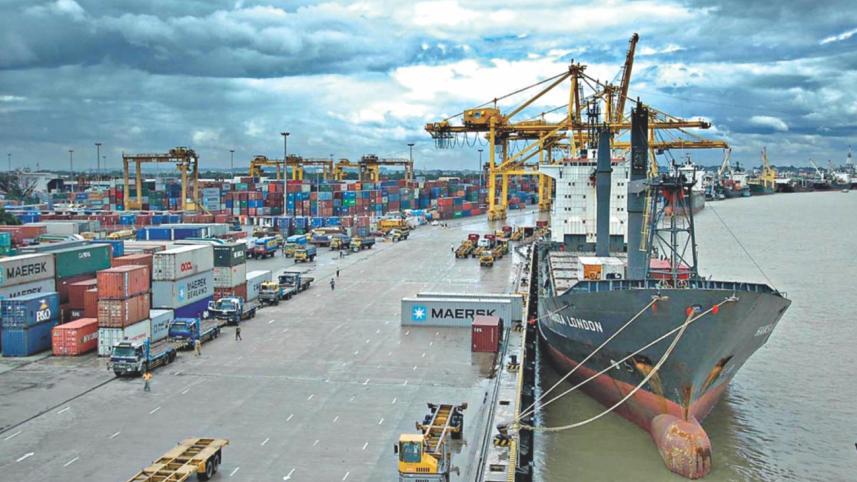
ASCO Shipping Lines believes that a shipping agency’s responsibility extends far beyond arranging a vessel’s port call.
For shipowners, charterers, operators and maritime principals, trust, transparency, operational knowledge and accountability are essential.
According to the supplied company profile, ASCO Shipping Lines provides shipping agency and maritime support services across Bangladesh, including operations at Chattogram, Mongla and Payra ports, covering port agency, vessel clearance, cargo operations, husbandry services, crew support, customs coordination, inland logistics and related maritime requirements.
The approach is based on clear communication and responsible cost management.
Rather than competing simply by presenting the lowest possible PDA, the focus is on providing a realistic, transparent and operationally justifiable estimate, helping the principal understand the expected cost of the vessel’s port call and the circumstances that could affect the final account.
Before You Appoint Your Next Shipping Agent
Don’t ask only:
“Who gave me the cheapest PDA?”
Ask:
“Who can give me the most transparent PDA, operate my vessel professionally, protect my interests, and stand behind the final account?”
Because in shipping, the cheapest quotation can become the most expensive decision.